Last Updated: November 7, 2026
Quick Summary
To find affordable creative services, write a clear scope first, then source local freelancers through referrals, business networks, and community groups. Vet each candidate with portfolio matches, specific references, and a small paid test before comparing itemized quotes side by side.
- Write a detailed scope covering the deliverable, purpose, format, deadline, and budget range before requesting quotes.
- Ask owners of non-competing businesses for referrals, since they have no reason to withhold a good name.
- Commission a single small paid deliverable from finalists before committing to the full project.
- Send the same written brief to every provider so quotes can be compared on equal terms.
- Confirm source file delivery, usage rights, and revision terms in writing before signing.
Table of Contents
- Start With a Clear Scope Before You Request Quotes
- Finding Local Creative Freelancers You Can Actually Vet
- Comparing Marketing Services for Small Businesses Without Overpaying
- Deciding Between an Affordable Marketing Agency and Self-Serve Tools
- Small Business Marketing Tools That Cut Creative Costs
- How to Promote Your Business Locally for Free Alongside Paid Creative
- Contracts, Usage Rights and Measuring Results: Booking Your First Project
- Frequently Asked Questions
Small businesses face a tough choice when they need ads, logos, or videos. Hiring a full agency often costs more than the budget allows, while hiring a freelancer means taking a chance on someone you have never worked with.
This guide walks through a practical way to find, vet, and book affordable creative services without overpaying. Each section gives you a clear step you can use this week.
Start With a Clear Scope Before You Request Quotes
Vague requests lead to vague quotes. Before you contact anyone, write down what you need, why you need it, and where it will appear.
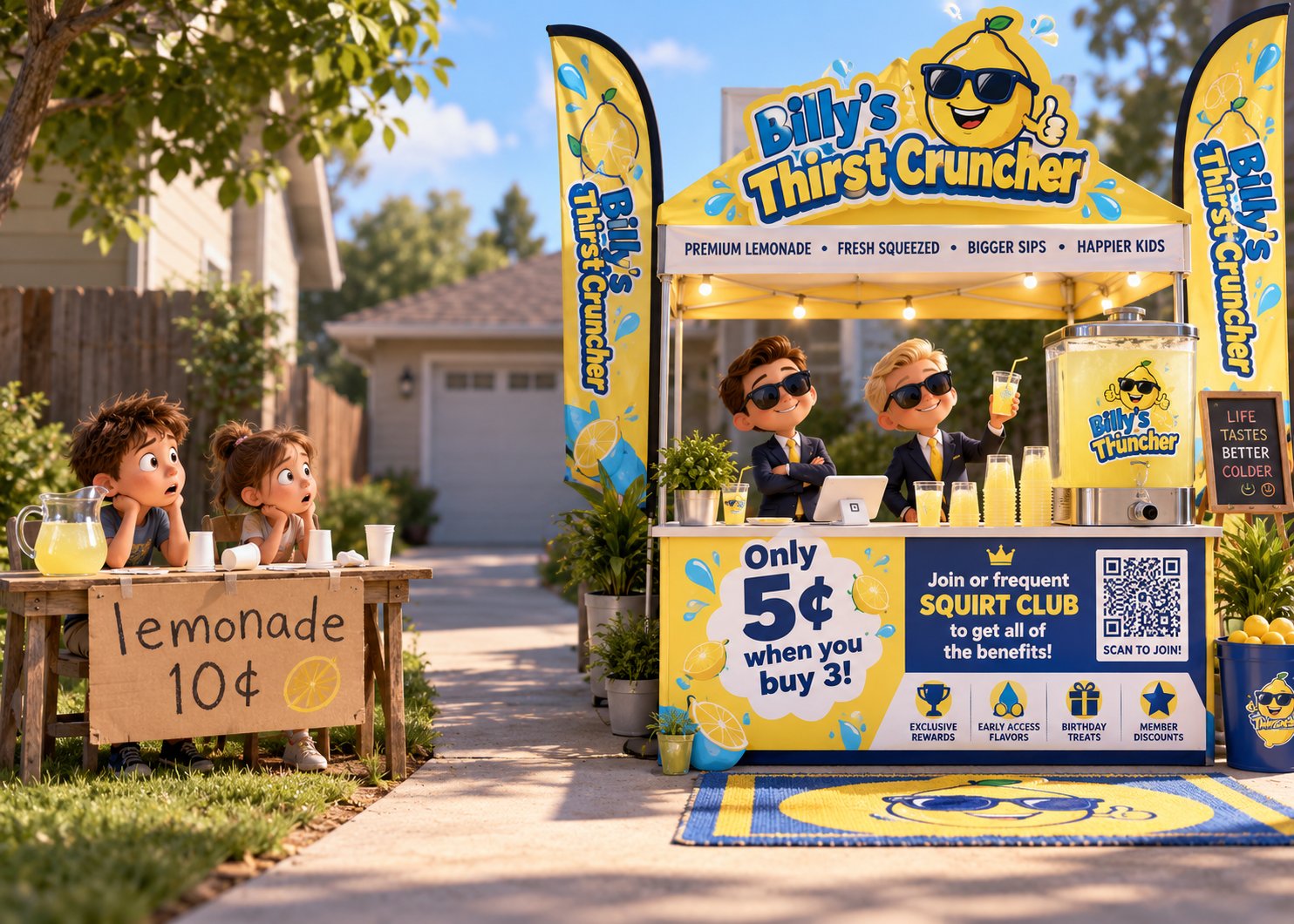
A simple scope covers these points:
- The deliverable: for example, five social media graphics or one 30-second video
- The purpose: booking calls, store visits, or online orders
- The format: file types, sizes, and the platforms they will run on
Providers can only price what they understand. A detailed scope gives you quotes you can compare side by side.
Watch out: Asking for "a little branding help" invites open-ended work. Name the exact pieces you need instead.
Finding Local Creative Freelancers You Can Actually Vet
Local freelancers can be a good value, especially for work that needs in-person meetings, such as photography at your storefront. The challenge is telling a skilled professional from someone who only looks good online. The vetting step, not the search step, is often where small businesses lose the most time and money.
Where local creative specialists actually turn up
Agency directories are only one channel. The freelancers who do the best work for nearby businesses are usually found through these sources, roughly in order of reliability:
- Referrals from owners in a different category. A restaurant owner knows a photographer who shoots food; a dentist knows a videographer who shoots patient testimonials. Ask owners whose businesses do not compete with yours, so they have no reason to hold back a name.
- Local business networks and chambers of commerce. These groups often keep informal lists of members who do design, photography, copywriting, or video. The advantage is that the freelancer has a local reputation to protect.
- Community and neighborhood groups. Local Facebook groups, neighborhood associations, and buy-local networks regularly surface designers and writers. Search the group history before posting a request; the same names tend to recur.
- Portfolio searches with a local filter. On freelance platforms and creative directories, filter by location and by the type of work you need, then look at the portfolio first and the reviews second. Reviews tell you about communication; the portfolio tells you about craft.
- Adjacent vendors. Your printer, sign shop, web host, or photographer may know who local businesses use for logos, copy, and video. These vendors see finished work every week and can tell you whose files arrive clean and on time.
| Source | Strength | Watch For |
|---|---|---|
| Referrals from non-competing owners | Tested work, honest feedback | Limited options |
| Local business networks | Local reputation at stake | Fewer online reviews |
| Community groups | Fast, nearby, conversational | Uneven skill levels |
| Freelance platforms | Many options, visible reviews | Wide range of skill levels |
| Creative directories | Easy to browse | Listings may be paid placements |
| Adjacent vendors | See finished files regularly | May favor partners they work with |
A vetting process that produces a real shortlist
Use the same sequence for every candidate so you can compare them fairly:
- Portfolio match. Ask to see two or three projects that resemble yours in format and audience. A logo designer should show logos for businesses like yours, not just posters. A videographer should show a 30-second cut, not only a highlight reel.
- References with a specific question. Ask for two or three past clients and speak with at least one. Ask a concrete question: "Did the final files arrive in the format you were promised, and did the revision count hold?" Vague praise is less useful than a specific yes or no.
- A small paid test. For projects above a few hundred dollars, commission a single deliverable first, such as one social graphic or a one-page copy draft. A paid test reveals communication speed, revision behavior, and file quality before you commit to the full scope.
- Written process. Ask the freelancer to describe, in writing, how they handle briefs, drafts, revisions, and final delivery. Clear steps signal experience; a vague answer signals improvisation.
- Responsiveness check. A freelancer who answers your first message slowly will likely be slow during a project. Note how long the first reply takes and whether it answers your actual questions.
Watch out: A polished portfolio can be borrowed, templated, or produced by a collaborator. Ask the freelancer to walk you through one project's decisions, and confirm the references actually worked with the person you are hiring.
Red flags worth acting on
- The freelancer cannot name the file formats they will deliver.
- Revisions are described as "unlimited" with no definition of a revision.
- The quote arrives as a single lump sum with no breakdown.
A shortlist of two or three vetted freelancers is enough to compare quotes on equal terms. The next section covers how to read those quotes line by line.
Comparing Marketing Services for Small Businesses Without Overpaying
Once you have a shortlist, compare quotes on the same basis. The most reliable way to do that is to send every provider the same written brief and ask each one to price the exact scope you wrote down. A reusable brief and a simple quote-scoring sheet turn a confusing pile of proposals into a decision you can defend.
Write one brief and send it to everyone
A useful creative brief is short, specific, and identical for every provider. It should cover:
- The business and the audience: what you sell, who buys it, and where those customers are.
- The deliverable: for example, five social media graphics or one 30-second video, with exact sizes and formats.
- The purpose: booking calls, store visits, or online orders, and the one metric you will watch.
Sending the same brief to every provider is the single biggest lever for comparable quotes. It also stops the common problem where the first quote looks cheap, but later revisions push the total up.
Read each quote line by line
Ask each provider to price the brief in the same structure. Look for these details in every quote:
- Itemized costs for each deliverable, not one lump sum.
- Number of revisions included before extra fees apply, and what counts as a revision.
- Turnaround time for each stage, with dates rather than "about two weeks."
A low price with few revisions can cost more in the end. If a quote leaves out source files, you may pay again later to get them.
Score the quotes on the same sheet
A simple scoring sheet keeps the decision honest. Score each provider from 1 to 5 on:
- Scope match: how closely the quote follows your brief.
- Itemization: whether costs are broken out clearly.
- Revision terms: how many rounds are included and how extras are priced.
- Rights and files: whether you receive source files and clear usage rights.
- Timeline: whether milestones are realistic and dated.
- Communication: how quickly and clearly the provider answered questions.
- References: whether past clients confirmed delivery and file quality.
Add the scores and compare the totals alongside the quoted prices. The lowest price rarely wins on this sheet, and the highest price rarely wins either. The winner is usually the provider with the clearest terms and the fewest open questions.
Understand how pricing models differ
Providers price creative work in different ways, and the model tells you what to expect:
- Project-based pricing is a fixed fee for a defined deliverable. It suits logos, one-off videos, and campaign assets with a clear end point.
- Hourly pricing is common for consulting, strategy, and ongoing edits. It is flexible but harder to budget, so ask for an estimate of hours.
- Retainer pricing is a recurring fee for a set amount of work each month. It suits businesses that need steady output, such as weekly social posts.
Ask each provider which model they use and why. A provider who cannot explain their pricing model in plain language is a risk.
Split large projects into phases
Many owners split large projects into phases. Start with a logo and a few core graphics. Add video or a website once those pieces work. Phasing lets you test a provider on a smaller scope before committing to the full project, and it keeps each quote small enough to compare.
For current prices, check the ClickSling pricing page. The next section covers how to decide between an agency, a freelancer, and self-serve tools once the quotes are in.
Deciding Between an Affordable Marketing Agency and Self-Serve Tools
Not every business needs an agency. The right choice depends on how much strategy, hands-on work, and speed you need.
- An agency fits when you need full strategy, campaign management, and a single partner for many channels.
- Freelancers fit when you need one defined project, such as a logo or a photo shoot.
- Self-serve tools fit when you create ads often and want to make small changes yourself.
A common mistake is paying for strategy you do not use.
Self-serve tools work best when you already know your brand look.
Best for: owners who create ads regularly and want control over each one. Skip if: you need hands-on campaign management across many channels.
Small Business Marketing Tools That Cut Creative Costs
Tools can lower your creative spending when you use them for the right tasks. Use them for repeatable work, and hire help for work that needs original thinking.
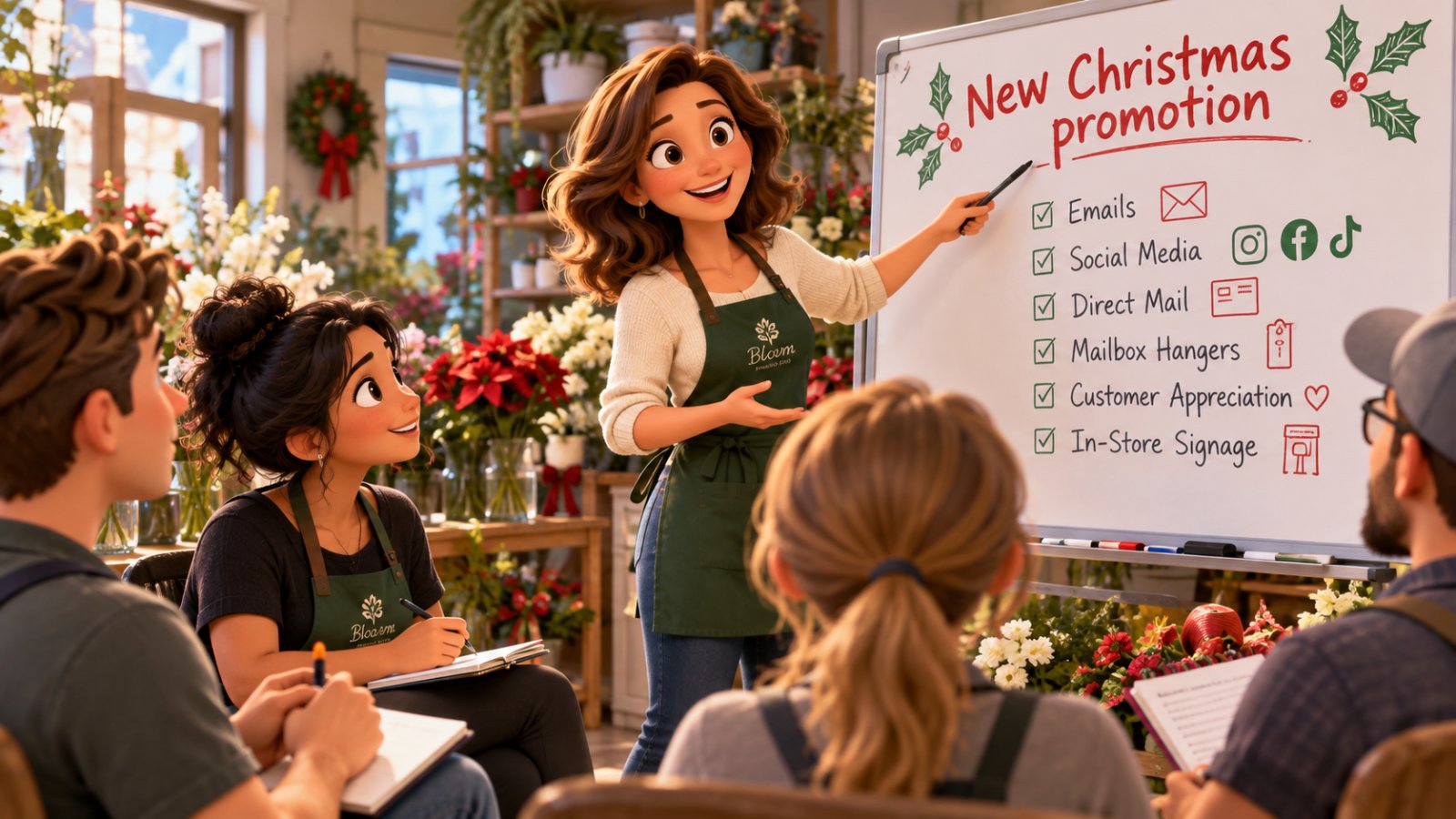
Good candidates for tools include:
- Resizing one design for multiple social platforms
- Creating templates for recurring posts, such as weekly specials
- Storing approved logos, colors, and fonts in one place
- Producing simple ads from existing photos and copy
Keep the hiring budget for a few high-impact pieces, like your main logo or a key video. This split keeps costs down while protecting the look of your brand.
How to Promote Your Business Locally for Free Alongside Paid Creative
You do not need a big ad budget to get noticed nearby. Free channels can spread your creative work to the people who matter most.
Try these low-cost steps:
- Claim and complete your business profile on major map and search listings, with accurate hours and photos.
- Ask happy customers for reviews and reply to each one.
- Post regularly on one or two platforms where your neighbors spend time.
- Partner with a nearby business for a shared promotion or joint post.
Pair these efforts with a small number of professionally made pieces, such as a clean photo of your storefront or a short video. Strong visuals make free posts work harder.
Contracts, Usage Rights and Measuring Results: Booking Your First Project
Before you sign anything, confirm the basics in writing. Clear terms protect both you and the creator.
Check these items before booking:
- Ownership: who owns the final files once you pay in full
- Usage rights: where and for how long you can use the work
- Revisions: how many rounds are included and what counts as a revision
- Payment schedule: deposit, milestones, and final payment
Measure results against your original goal. If the work was meant to drive calls, track calls for the next 30 days.
To start, pick one project from the scope list above, request two itemized quotes, and book the one that matches your scope and terms. Try ClickSling free for 30 days to see how a platform built by advertising veterans can handle your everyday creative work.
BUTTON: Start Your Free Trial CARD_TITLE: Need affordable creative that stays on-brand? CARD_TEXT: ClickSling gives small businesses and franchises professional ad creation with a free 30-day trial.
Frequently Asked Questions
How can a small business find affordable creative services?
Start by writing a short creative brief that lists the deliverables, the intended use, and your budget range. Then request itemized quotes from three to five local freelancers and small studios, not only large agencies. Ask each provider to show relevant portfolio work, confirm what revisions are included, and state who owns the final files. Comparing quotes against the same brief makes price differences easy to judge. Pricing depends on quantity, deadlines, and delivery format, so request a quote for your exact project rather than relying on general estimates. ClickSling's pricing page lists current plans, and you can start a free 30-day trial to test its creative tools first.
What should I ask a marketing provider before working with them?
Ask what the scope includes, how many revision rounds are covered, when the work will be delivered, and who owns the files once payment is made. Request examples of work for businesses similar to yours and ask how results are measured, such as calls, bookings, or website visits. Confirm how communication will work and who your main contact will be. A provider who answers these questions in writing before you sign is usually easier to manage over time.
Should a small business hire a marketing agency or use a marketing platform?
An agency suits businesses that want a team to handle strategy, execution, and reporting. A platform suits owners who want to produce ads and brand materials themselves, with less back-and-forth. Many small businesses use a mix: a platform for everyday assets and a freelancer for one-off projects such as a brand identity or a video. Compare the total monthly or per-project cost against the time you would spend managing the work yourself.
How can a small business promote itself locally for free?
Claim and complete your Google Business Profile, ask recent customers for reviews, and post regular updates with photos of your work. Join local chambers of commerce, sponsor neighborhood events where it fits your budget, and partner with complementary businesses for cross-promotion. Consistent posting on the social channels your customers actually use also helps. These methods take time rather than money, and they pair well with a modest paid creative budget.
